
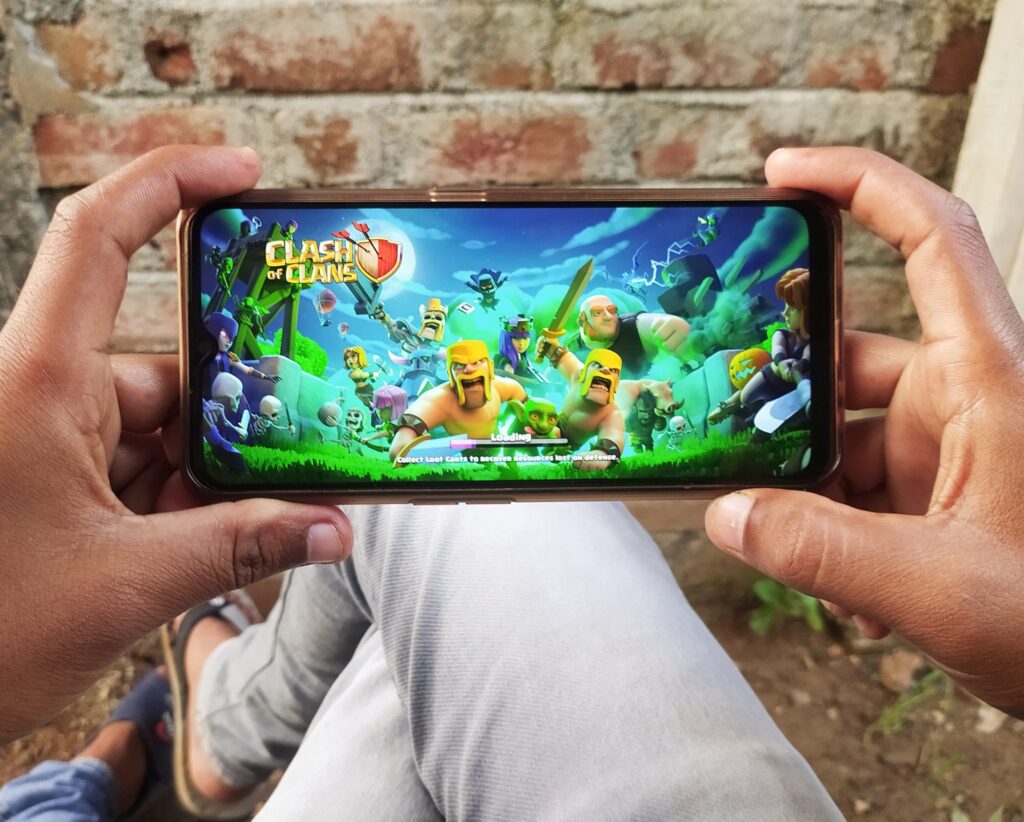
The gaming industry has advanced notably over the years, with cellular gaming rising as a dominant pressure. While console and PC gaming have long been famous for immersive studies, the quick improvements in mobile generation have sparked debates about whether or not or not or no longer cell gaming can absolutely compete. In this newsletter, we find out the upward thrust of mobile gaming and how it stacks up in opposition to traditional gaming systems.
The Growth of Mobile Gaming
Mobile gaming has witnessed exponential growth over the past decade, fueled with the useful useful resource of numerous key elements:
- Accessibility: Unlike consoles and PCs, smartphones are drastically available, making mobile video games on hand to a broader audience.
- Affordability: While immoderate-prevent gaming PCs and next-gen consoles require exceptional investment, maximum mobile video video games are loose-to-play with non-compulsory in-app purchases.
- Technological Advancements: Modern smartphones boast powerful processors, immoderate-refresh-charge shows, and more snapshots, narrowing the gap amongst mobile and traditional gaming.
- Casual and Hardcore Appeal: Mobile gaming caters to every casual and hardcore gamers, with a combination of easy puzzle video games and immoderate-depth multiplayer titles like PUBG Mobile and Call of Duty: Mobile.
Key Differences: Mobile vs. Console & PC Gaming
While mobile gaming has made incredible strides, there are but critical variations many of the structures:
1. Graphics & Performance
PCs and consoles although reign very last almost about uncooked power, imparting superior pics, better body charges, and further immersive critiques. However, mobile devices are ultimately the distance, with flagship smartphones now supporting excessive-refresh-fee gaming and ray tracing.
2. Game Library & Exclusives
Consoles and PCs offer an extensive library of specific titles that mobile gaming cannot in shape. Iconic franchises like The Last of Us, Halo, and The Witcher stay one in all a kind to conventional structures, giving them an aggressive side.
3. Control & Gameplay Experience
While touchscreen controls have advanced, they cannot update the precision and responsiveness of a committed controller or keyboard-mouse setup. However, cell gaming peripherals, which includes Bluetooth controllers, are bridging this hole.
Can Mobile Gaming Compete?
Despite the versions, cellular gaming is turning into a wonderful competitor to consoles and PCs. Here’s why:
- Cloud Gaming & Cross-Platform Play: Services like Xbox Cloud Gaming and NVIDIA GeForce Now permit mobile gadgets to run immoderate-surrender video games via streaming, lowering the hardware obstacles of smartphones.
- Evolving Hardware: Gaming-centered smartphones, which incorporates the ASUS ROG Phone and RedMagic collection, provide functions like advanced cooling, bodily triggers, and excessive-refresh-rate suggests.
- Community & Esports Growth: Mobile esports tournaments, which encompass the PUBG Mobile Global Championship, appeal to hundreds of thousands of visitors, proving that selling gaming isn’t just an informal hobby.
Conclusion
While mobile gaming may not but completely update consoles or PCs, it is virtually reshaping the gaming panorama. With non-stop upgrades in hardware, cloud gaming, and game improvement, cell gaming is proving to be an effective strain inside the corporation.
Join the discussion on our gaming forum and percent your mind on whether or no longer mobile gaming can compete with traditional structures!
In addition, check out best gaming laptops on our reviews platform Meritmeter
